

BLACK NIGHTS 2026 Critics’ Picks
Crítica: Rahma
por Veronica Orciari
– Faysal Soysal ofrece un relato cuidadosamente construido que aborda la adopción, la infertilidad, y las distintas formas de criar un hijo, que pueden esconder traumas
Este artículo está disponible en inglés.
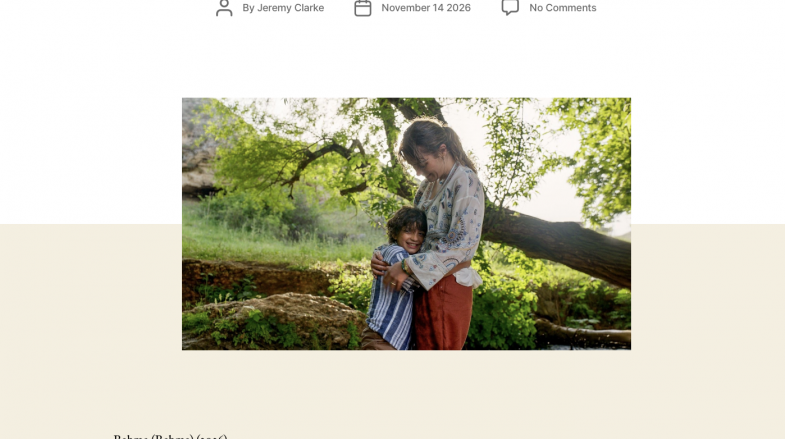
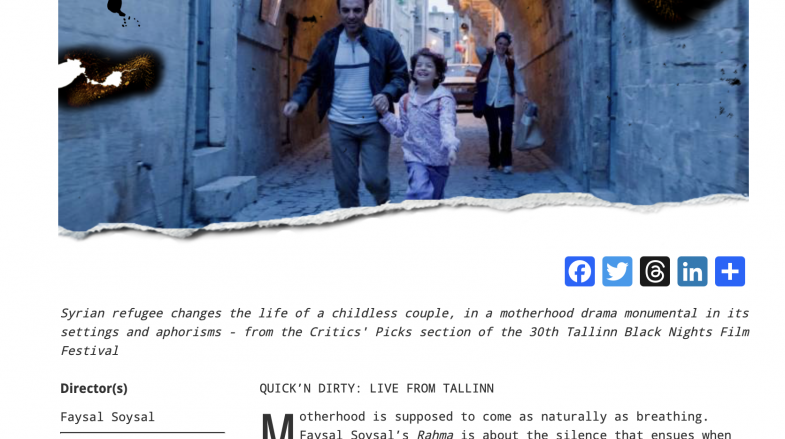
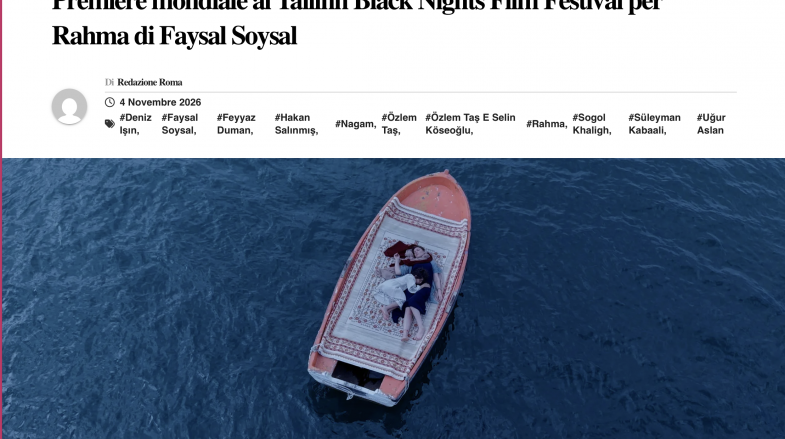
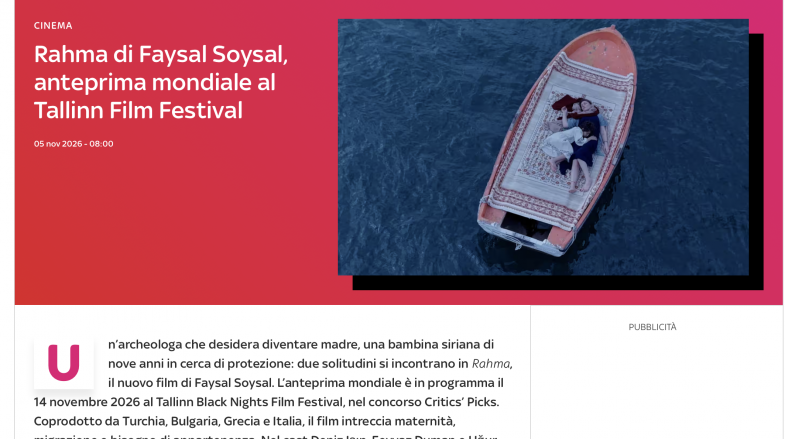
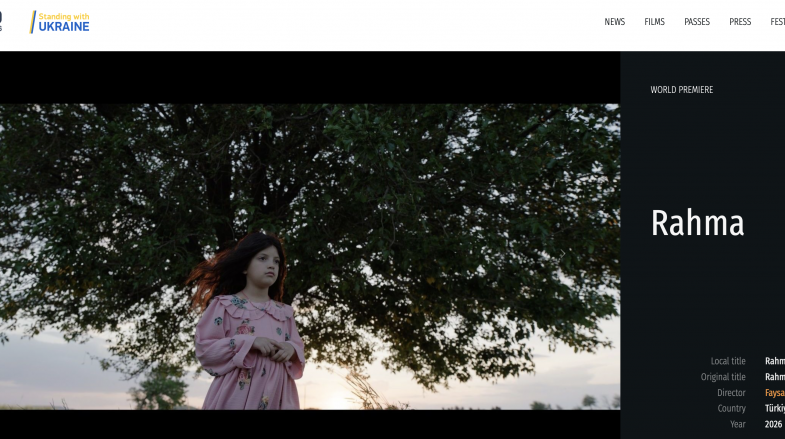
Rahma has had its world premiere at the 30th Tallinn Black Nights Film Festival, in the Critics’ Picks section. The feature, Faysal Soysal’s third – a joint effort between Turkey, Bulgaria, Greece and Italy –, tells the story of Meryem (Deni̇z Işin), an archaeologist working in Şanlıurfa, and her husband İbrahim (Uğur Aslan), who are on the verge of losing hope that they will ever become parents after long and exhausting years of IVF and surgery trials.
Despite the love that connects them, they have different views on how to solve this. For Meryem, trying to look for surrogacy in Georgia is an acceptable last resort, while İbrahim feels strongly against it. In the midst of these disagreements, they accidentally meet Rahma (Nagam Bireç), a 9-year-old Syrian orphan struggling alone against hardship. The bond is immediately strong, but the young girl’s past starts to haunt them.
In Arabic, rahma means both “womb” and “mercy”. These two words are at the basis of Soysal’s film, and represent the strength of its core concept. The discussion surrounding adoption and the contrasting feelings of motherhood and fatherhood is particularly well developed and the screenplay, written by the director himself, demonstrates a clear awareness and particular sensitivity to these issues. Rahma explores the trauma experienced by the protagonist, who was herself adopted, and examines how adoption, despite being an essential and beautiful practice, can also conceal traumatic aspects for the child that Meryem hopes to spare her potential family from enduring.
This relentless pursuit of motherhood also highlights men’s and women’s differing perspectives on becoming parents, which are approached from a fresh perspective, with a thoughtful and sensitive eye, most likely enhanced by Soysal’s real life experience with difficult conception. Turkish productions, especially those made for television, often tend towards melodrama and can sometimes become overly emotional, but here, the overall production manages to strike a good balance. The levels of drama are carefully calibrated and never tip into exaggeration, which was possibly the riskiest aspect to balance in a story like this.
The film does indeed maintain a strong sense of cohesion, largely thanks to the performances of its leading actors, who deliver believable portrayals and successfully avoid overacting or slipping into excessive theatricality. Işin and Aslan bring to the screen all the shades of a couple that is united by strong feelings, but constantly battling with something external and stronger than them.
From a technical perspective, Rahma is relatively straightforward: it does not venture into particularly elaborate colourgrading, nor does it make especially daring directorial or cinematographic choices. Paradoxically, it is somewhat of a relief, since the risk of making a story feel a tad artificial in these circumstances is quite high, and productions often fall into the trap of overdoing or overexplaining while forgetting to simply do and explain.
Here, it is the story that does the talking – and it’s refreshing. That said, some cuts and a slightly tighter editing approach would undoubtedly have helped improve the pacing. At times, the feature loses momentum and dwells for too long on characters or elements that distract from the main storyline without necessarily adding much to it.
Rahma was produced by Soysal’s Turkish company Balkon Film, in co-production with Ars Digital, Steficon and Bielle Re.