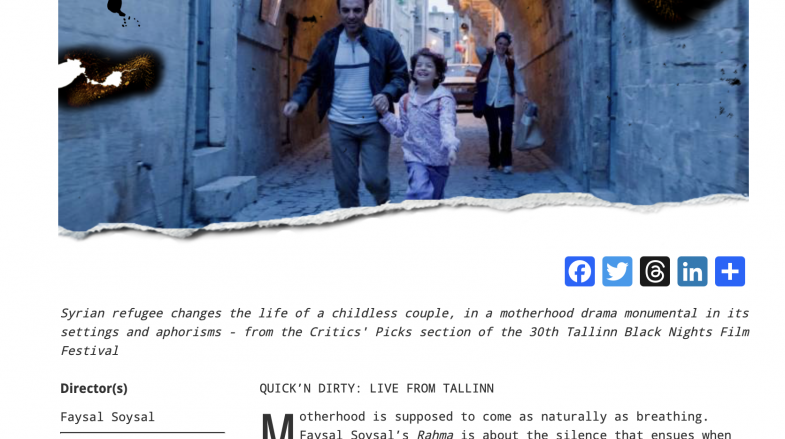


Rahma just premiered in the Critics’ Picks section of the 30th Tallinn Black Nights.
Syrian refugee changes the life of a childless couple, in a motherhood drama monumental in its settings and aphorisms – from the Critics’ Picks section of the 30th Tallinn Black Nights Film Festival
Director(s)
Faysal Soysal
Year of release
2026
Country of origin
Turkey
Bulgaria
Greece
Italy
Starring
Feyyaz Duman
Deniz Isin
Ugur Aslan
Hakan Salınmış
Rating
Thoroughly sanitised movieMostly clean movieGreasy movieDirty gemFilthy genius movie
“Dirty gem”
Dirty message
Motherhood is supposed to come as naturally as breathing. Faysal Soysal’s Rahma is about the silence that ensues when this does not happen. At its heart, the film examines the complicated relationship between the desire to nurture and the human need to belong. Displacement and family become intertwined in ways that neither can easily escape.
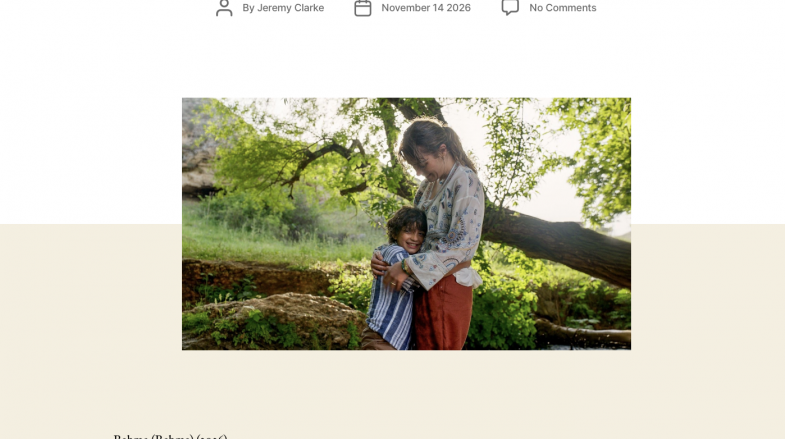
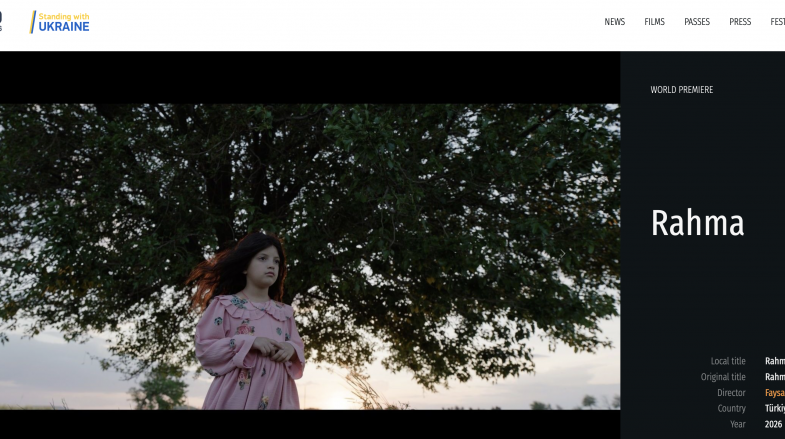
The story takes place in the historical landscape of Şanlıurfa, a city in southeastern Turkey. Meryem (Deniz Işın) works as an archaeologist at Göbeklitepe, the world’s oldest monumental temple. Outside her professional life, she has spent years confronting the emotional and physical toll of trying to have a child. With conventional medical options bringing no success, she considers an alternative in neighbouring Georgia. This creates disagreement with her husband İbrahim (Uğur Aslan). Their lives become increasingly complicated following the arrival of Rahma (Nagam Bireç), a nine-year-old Syrian refugee with experiences far beyond ordinary childhood.
Rahma approaches motherhood with genuine care, avoiding unidimensional takeaways. Soysal does not reduce Meryem’s longing to a simple urge for a child. There is physical suffering, emotional exhaustion and a history of disappointment behind it, but there is also something deeply personal in her resistance to non-traditional maternity. Her own childhood, marked by a stepmother, has left its own complications around the idea of adoption.
The conversations between Meryem and İbrahim deserve particular attention. Some of the film’s most affecting moments emerge from these exchanges. Initially, they carry the weight of ordinary marital disagreements. Then they gradually become overwrought. Their discussions about having a child, the limits of medical intervention and the possibility of welcoming someone else’s child reveal how two people can experience the same longing in remarkably different ways. Neither is entirely free from fear, and neither can offer the other one an answer. What makes these scenes so affecting is their rawness. The conversations grow stronger as the film progresses, not because they become louder, but because the things left unsaid begin to matter just as much as the words uttered. Soysal understands that a marriage, particularly one tested by prolonged disappointment, is also a place where love and frustration can exist uncomfortably close to each other.
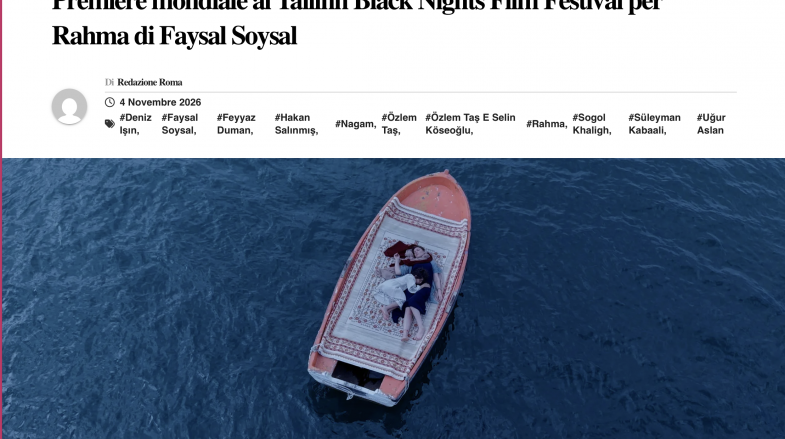
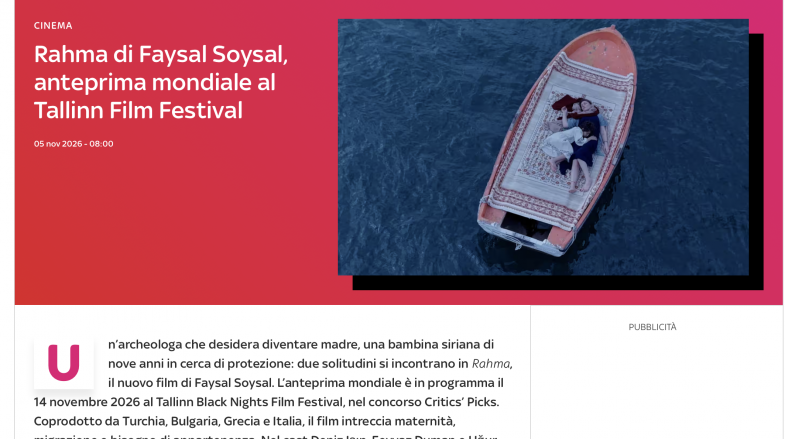
The relationship that gradually develops between Meryem and Rahma is not a matter of one person rescuing another. Each brings a different kind of absence into the other’s life. The film finds considerable beauty in this exchange, allowing its characters to remain multilayered rather than turning them into mere conveyors of an uplifting message. It is also here that the film’s spiritual undercurrents become very interesting. The connection between Meryem and Rahma reveal that motherhood might exist beyond biology, inheritance or social convention. It is a matter of recognising another person’s vulnerability and accepting the responsibility that comes with it.
The geographical setting gives this intimate story an extraordinary historical depth. Göbeklitepe, with its impressive stone structures and t-shaped pillars dating back to the Pre-Pottery Neolithic period, is among the oldest known examples of manmade monumental structure. Situated in Upper Mesopotamia, the site carries traces of the earliest human communities, their rituals, collective life and attempts to make sense of existence. There is something particularly meaningful about placing a contemporary story of displacement and the search for belonging within a landscape so deeply connected to humanity’s earliest settlements.
The surrounding region also carries another, much more recent history. Since the outbreak of the Syrian conflict in 2011, millions of people have been forced to leave their homes, with Turkey becoming one of the main destinations of those fleeing the war. Şanlıurfa, close to the Syrian border, has lived alongside the consequences of this displacement. For children, the experience is especially devastating. War does not merely destroy buildings or redraw borders. It interrupts education, it separates families, it takes away familiar surroundings, and it forces young lives into circumstances they are not prepared to understand. Soysal approaches this reality through Rahma rather than through the scale of the conflict itself. The war remains an overwhelming presence even when it is not directly in front the camera. It is felt in the child’s uncertainty, her need for protection and the difficulty of imagining a future when the past continues to haunt her.
Rahma holds these dimensions together without losing sight of the people at its centre. Soysal has been developing the project since 2019, drawing partly on his own experience of parenthood and his encounters with vulnerable and orphaned children during documentary work in Africa and Syria. The movies stems from a place of compassion, although its concerns extend well beyond autobiography. The parallel between an embryo struggling to find a place in a mother’s womb and a displaced child struggling to find a place in the world gives the narrative a thoughtful extra dimension. Both are searching for shelter, acceptance and the possibility of continuing to exist somewhere safely.
The title itself carries an additional resonance. Its Arabic meaning evokes tenderness and divine mercy. Ultimately, this is a film about the responsibilities that come with loving someone, and about how the fate of one child can become inseparable from the conscience of another. There is an abundance of sorrow in its world, but Soysal does not allow heartbreak to have the final word.
Tags: 30th Tallinn Black Nights Film Festival, 30th Tallinn Black Nights Film Festival – Critics’ Picks, Faysal Soysal, Rahma
By Shahran Morshed – 14-11-2026
Shahran Morshed is a dedicated film critic, filmmaker, and film programmer and curator, committed to fostering critical discourse within the global cinematic landscape. As the Editor-in-Chief of Break…